
How to Choose the Best Vinyl Siding Material and Style
If you’re noticing faded, peeling, or damaged siding, you’re not alone. Many homeowners throughout the Mid-Atlantic deal with siding that struggles against harsh winters, humid summers, and constant maintenance. In fact, over 70% of homeowners in this region choose vinyl siding explicitly to put an end to ongoing painting, repairs, and weather concerns.
Imagine facing another Nor’easter without worrying about how your siding will hold up. Vinyl siding offers reliable protection, reduces the need for maintenance, and maintains curb appeal for decades, which pays dividends whether you're settling in for the long haul or thinking ahead to resale.
For anyone considering vinyl siding in Pennsylvania, Maryland, Delaware, or West Virginia, this guide offers a detailed, experience-based look at which options deliver the best value, protection, and style for local homes. The focus is on practical, proven solutions—from insulation that really saves on bills, to siding profiles that fit the area’s architectural styles, all the way to regional brand recommendations.
Here’s what you’ll learn:
Differences between vinyl siding grades and materials, and why thicker panels stand up better in this climate.
Tips on choosing styles and colors that match local trends and enhance curb appeal.
How insulated siding really affects energy bills, with specific, local results.
The brands and local contractors that provide reliable support and proven performance.
If you want expert guidance that reflects genuine hands-on experience and localized knowledge, you’re in the right place. Let’s examine what makes vinyl siding a consistently smart upgrade for Mid-Atlantic homeowners.
Why Vinyl Siding Works well for Pennsylvania, Maryland, Delaware, and West Virginia Homes
Vinyl siding has become the siding of choice for many homeowners throughout the Mid-Atlantic. The reason is simple—no other siding material adapts as well to the region’s four-season climate.
Whether you’re facing heavy snowfall, wind-driven rain, blazing summer heat, or just want siding that stands up to busy family life, properly selected and installed vinyl delivers proven long-term protection.
Vinyl Siding vs. Wood and Fiber Cement
Against wood and fiber cement, vinyl siding stands out for several reasons important to this area:
All-season durability—Vinyl handles the freeze-thaw cycles, high winds, and summer storms that are common across the region.
Minimal maintenance—No need for sanding, scraping, or repainting. Vinyl is immune to wood rot, termites, and won’t splinter.
Improved energy efficiency—Insulated vinyl options can make a noticeable difference, especially during harsh winter nights.
Enhanced safety—Quality panels are Class A fire-rated, and the material doesn’t become a maintenance hazard around children or pets.
The result is siding that lets you relax and enjoy your weekends, not spend them on recurring repairs.
How Vinyl Handles Regional Weather
Modern vinyl siding is designed with the Mid-Atlantic climate in mind:
Premium thickness panels (.044–.055 inch) give better resistance to flying debris, hail, and wind-borne objects.
Insulated options add another layer of weather protection and comfort.
Recent advances in color technology keep your exterior looking sharp even after years of sun exposure and severe weather swings.
These features aren’t marketing gimmicks—they’re rooted in decades of feedback from local installations and families who’ve seen the results over seasons.
Understanding Modern Vinyl Siding
Vinyl siding is manufactured primarily from virgin or recycled PVC, which is engineered for both strength and flexibility. Here are common concerns, addressed directly from the job site:
Will it melt or warp? Premium, thick-gauge panels from brands like CertainTeed and Royal resist deformation in all but the most extreme circumstances.
Will it fade? Brands such as Alside and Mastic back their advanced color processes with lifetime warranties. Fading is no longer the issue it once was for high-quality products.
What about impacts? Heavy-gauge panels handle hail, wind, and common impacts much better than older, thinner alternatives.
When you compare the reality of annual painting or constant wood repairs to the long-term ease of vinyl, the choice becomes practical for most families. It’s a material selected not just for looks, but for decades of reliable, low-maintenance service.
Choosing Vinyl Siding: Materials That Perform in the Mid-Atlantic
The right vinyl siding choice isn't just about protection—it’s about investing in lower costs, durability, and neighborhood appearance.
Here’s how to break down the material choices for homes in Pennsylvania, Maryland, Delaware, and West Virginia.
Builder-Grade vs. Premium-Grade Siding
There are two main grades on the market:
Builder-grade: Typically .040–.043 inches thick. This is a budget-friendly option, but more susceptible to denting and distortion from hail, impacts, or wind.
Premium gauge: .044–.055 inches thick. This thickness offers superior resistance to warping, storm damage, and everyday impacts. For local applications, premium grade is typically a better value over time.
Paying a little extra for premium thickness often means years more performance and a significant reduction in long-term upkeep.
Siding Material Details
Several factors influence both performance and longevity:
Virgin PVC: Tends to last longer, holds color better, and comes with the most reliable warranties. Ideal for homes intended to be passed down or enjoyed for decades.
Recycled PVC blends: Offer some cost savings, but may have shorter life spans or less vibrant colors. Always check the warranty details.
Insulated siding: Foam-backed panels can boost energy efficiency (up to R-5.0). These work best for homes that don’t already have high wall insulation or for those wanting a quieter, more comfortable interior.
For example, a well-insulated siding installation in a 1950s Pennsylvania home can cut annual heating costs by hundreds of dollars—and makes a clear difference during January cold snaps.
Top Brands for the Region
Local contractors often recommend these standouts:
Royal: Strong impact and wind resistance, a favorite for homes exposed to high winds.
Ply Gem (Mastic): Reliable foam-back insulation and eco-friendly options.
Alside: Consistent fade protection with advanced color technology.
CertainTeed: Excellent thickness and color choices, backed by a trusted warranty.
We offer Royal, Alside, and used to sell the Mastic brand. However, all of these brands are great products. When evaluating options, prioritize lifetime and impact resistance warranties, true color protection, and materials engineered for local weather patterns. The right brand and grade deliver not just a nicer appearance, but peace of mind.
Vinyl Siding Styles: Matching Local Homes and Architectural Heritage
Vinyl siding offers more than just basic coverage—solid style choices help maintain local charm and give each home a distinct, personalized appearance.
Whether you’re restoring a classic Colonial in Pennsylvania or updating a modern build in Maryland, here’s what works for our region:
Horizontal and Lap Styles
Traditional horizontal clapboard siding remains a staple across the Mid-Atlantic. It matches well with Colonial and Cape Cod homes and is economical without sacrificing appeal.
Clapboard: Clean lines, classic look, suits many older and newer homes.
Dutch Lap: Adds extra depth and shadow, popular for creating a custom, inviting appearance.
Beaded: Distinctive rounded edge, often seen in historic districts, especially in homes with large porches and prominent trim.
Properly chosen and installed, horizontal styles work with almost any architectural period in this part of the country.
Vertical and Contemporary Looks
Vertical siding, especially board and batten, is increasingly popular for rural farmhouses and updated ranches. It creates visual height, encourages quick water runoff, and provides a modern twist on traditional design.
Board & Batten: Gives a fresh, rustic or contemporary effect, also excellent for moisture management.
Wood-grain finishes: Help mask everyday scuffs and complement more wooded properties.
Smooth finishes: Create a crisp, modern look, especially on newer builds.
Vertical profiles also help homes with low elevations appear taller and more prominent from the street.
Accent and Specialty Options
Accent siding such as shakes or shingles offers a break from standard lines and highlights architectural features like gables or dormers.
Shake and shingle styles: Mimic real cedar without the upkeep—great for adding warmth.
Mixed profiles: Combining traditional lap or vertical with shingle accents creates individualized curb appeal.
Decorative trim: Details like wider corner posts or custom soffits can dramatically elevate a home’s appearance.
These profiles are supported by advanced manufacturing, keeping colors consistent and finishes durable in the face of strong sun or rain.
Vinyl offers the flexibility to craft a look that’s both true to your home’s original era and well suited to the climate. This mix of tradition and modern performance is why it remains a first choice for so many upgrades.
Performance That Counts: Longevity, Energy Efficiency, and Minimal Upkeep
The heart of any siding decision is how it will hold up year after year. In the Mid-Atlantic, real-world performance is critical.
Premium-grade vinyl siding delivers:
Exceptional resistance to hail, wind, and physical impacts (especially at .050 inches and above).
Long-term protection against cracking, fading, and water damage, even through harsh winters and humid summers.
Many families want siding they can rely on—a solution that doesn’t need to be checked after every storm or requires constant maintenance.
Real Energy Savings
Insulated vinyl panels do more than just provide a protective layer. With R-values reaching up to 5.0, there’s tangible improvement in both comfort and heating/cooling expenses.
Homeowners often notice:
Lower heating and cooling costs, sometimes by hundreds of dollars annually in older homes upgraded with insulated siding.
Noticeable improvement in noise reduction—helpful for those living near busy roads or active neighborhoods.
Fewer drafts and cold spots, especially beneficial in homes built before modern insulation techniques.
If energy bills are a concern, insulated siding is a straightforward, effective upgrade.
Color and Finish Durability
Dark or bold siding colors used to be prone to fading. Today, brands like Alside and Mastic manufacture with advanced color protection—ChromaTrue® and SolarDefense™, respectively—which keeps finishes looking sharp for years, even on southern-facing walls.
CertainTeed’s wide color palette helps homeowners find matches for historical colors or new trends, ensuring your upgrade fits your home and your neighborhood.
Simple, Consistent Maintenance
Vinyl siding’s maintenance advantages are well-established:
Annual cleaning is as simple as a garden hose and soapy water.
No painting, scraping, or caulking required—saving hours each season.
Resistant to rot and insects, which significantly reduces common upkeep issues found with wood.
Any occasional repairs—such as replacing a single damaged panel after severe weather—are straightforward and affordable through most local contractors.
Investing in quality vinyl siding significantly decreases lifetime maintenance, letting you focus on enjoying your home rather than working on it.
Making an Informed Decision: Aligning Siding to Your Needs and Budget
Siding upgrades are significant projects. Making the right choices comes down to aligning your priorities—appearance, energy efficiency, weather resistance, and return on investment.
Most homeowners consider:
Curb appeal: How will the siding enhance the home’s presence and value?
Energy efficiency: Is the goal to reduce utility bills, improve comfort, or both?
Durability: Can the siding handle the region’s storms, temperature swings, and family activities?
Resale: Will this choice add value for future buyers or family members?
It pays to map out your priorities before selecting a material or profile.
Styles and Regional Trends
Throughout the Mid-Atlantic, the combination of lap and board & batten siding is popular for a modern look, while wood-grain finishes remain dependable for minimizing the appearance of daily wear.
Premium thick panels (.050–.055 inch), especially with insulation, provide the best balance of weather resistance and aesthetic upgrade, especially for homes facing strong winds or exposed to heavy sun.
Budget Considerations
Builder-grade siding (.040 inch) is budget-friendly but offers fewer color options and less resilience. Premium (.050+ inch) siding, although more of an upfront investment, delivers longer life, better warranties, and higher impact resistance.
Adding insulation generally costs $1–2 more per square foot, but most homes see enough energy savings and comfort improvement over time to justify the cost.
Choosing a Contractor
The quality of installation is as important as the material itself. Family-owned and locally based contractors bring valuable regional knowledge and accountability. Look for:
Direct experience with local climate challenges.
Solid labor and material warranties.
Transparent reviews and references from other neighborhood jobs.
Reputable installers are invested in their local reputation and can offer hands-on advice for your specific home and community. For a range of trusted services—including window, door, siding, or roof replacement in Pennsylvania—seek out companies like Aspen Home Improvements, who have decades of proven performance in the region.
Frequently Asked Questions: Straight Answers from Local Pros
If you’re considering vinyl siding in Pennsylvania and the surrounding region, here are honest answers to what most families want to know:
How long does vinyl siding last here?
High-quality, properly installed vinyl siding generally lasts 25–40 years. Top brands like CertainTeed and Royal frequently back their siding with lifetime limited warranties. Thick panels (.044–.055 inch) especially hold up well through major weather events and require little more than routine washing.
Can insulated siding really save money on utilities?
Yes. Foam-backed insulated siding can raise wall insulation values up to R-5.0, which often results in winter gas bills dropping by 10–20%, especially on homes built before modern insulation standards. It will also reduce outside noise significantly.
Is vinyl siding easy to repair after storms or hail?
Solid, contractor-grade siding (at least .050 inch thick) resists wind and impacts well. If you do get an isolated dent or crack, pro installers can usually replace individual panels in a single visit. Many premium products come with hail and color-fade warranties for added protection.
Are there rebates or incentives for upgrading siding?
There are frequently state programs and federal tax credits available for adding insulated siding. Check Energystar.gov and your local utility’s website, or ask your installer about current regional offers—they often know how to maximize available incentives for your zip code.
How can I get real, local advice?
Visit a local siding showroom or request a no-obligation consultation with an established neighborhood contractor. Seeing full-size samples and actual finishes makes a big difference, as does hearing from others in your community who have completed similar projects.
Conclusion
Upgrading to well-chosen vinyl siding is a practical step toward lasting home value, comfort, and lower upkeep. Durable materials, energy-efficient options, and classic styles suited to the Mid-Atlantic make this a smart investment—whether you plan to live in your home for decades or want to enhance resale.
Key steps to follow:
Choose thicker, premium-grade panels for maximum durability and protection.
Consider insulated options if you want lower energy bills and improved comfort in every season.
Confirm warranty details and fade resistance—especially if your home faces strong sun.
Select profiles and colors that complement your home's year and neighborhood.
Partner with a skilled, family-owned local installer who stands behind their work.
Next steps:
Visit local showrooms to compare and handle different siding options.
Schedule a professional, no-pressure evaluation to get tailored recommendations.
Ask for referrals and view nearby completed homes to gauge real-world results.
Trust your home to proven materials and experienced local teams. When you invest wisely, you prepare your property for decades of security, efficiency, and welcoming curb appeal—no short-cuts, just reliable, expert-backed improvements built for the realities of the Mid-Atlantic region. If your in the market for new home siding, Contact us today for a Free Quote!
15% Off Your Entire Project! Plus 0 Down & 0% Interest Financing for 12 Months
Related Posts:
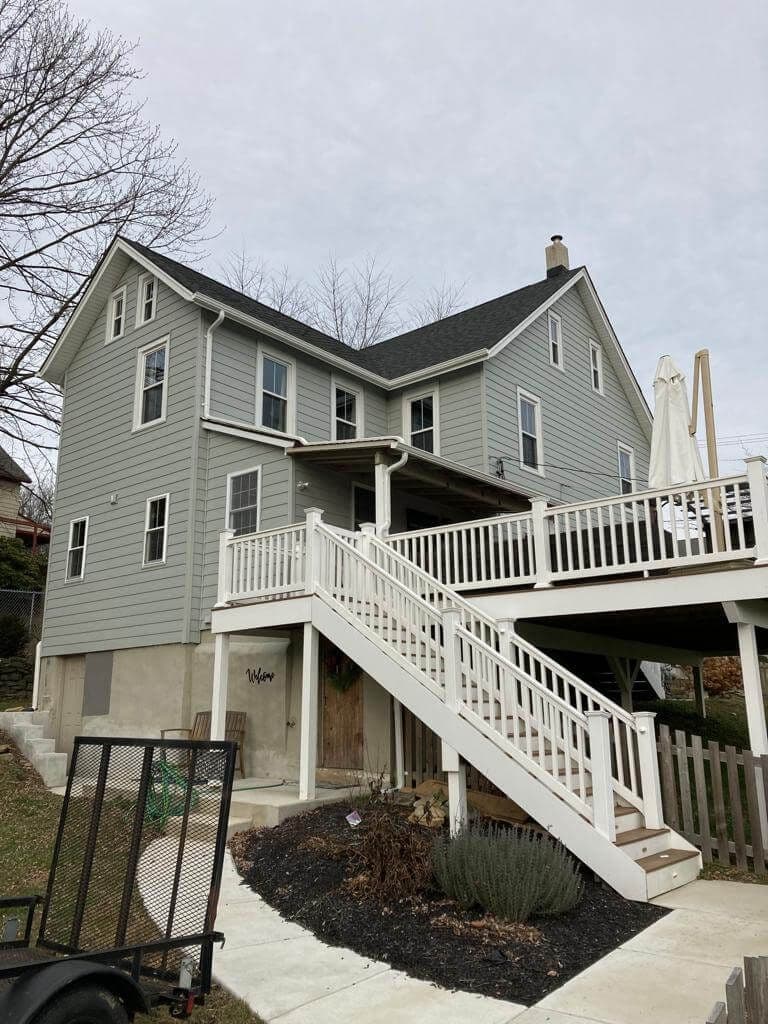
If you are looking for an exterior makeover that can maximize curb appeal and give your home a whole new look, Aspen has got you covered...
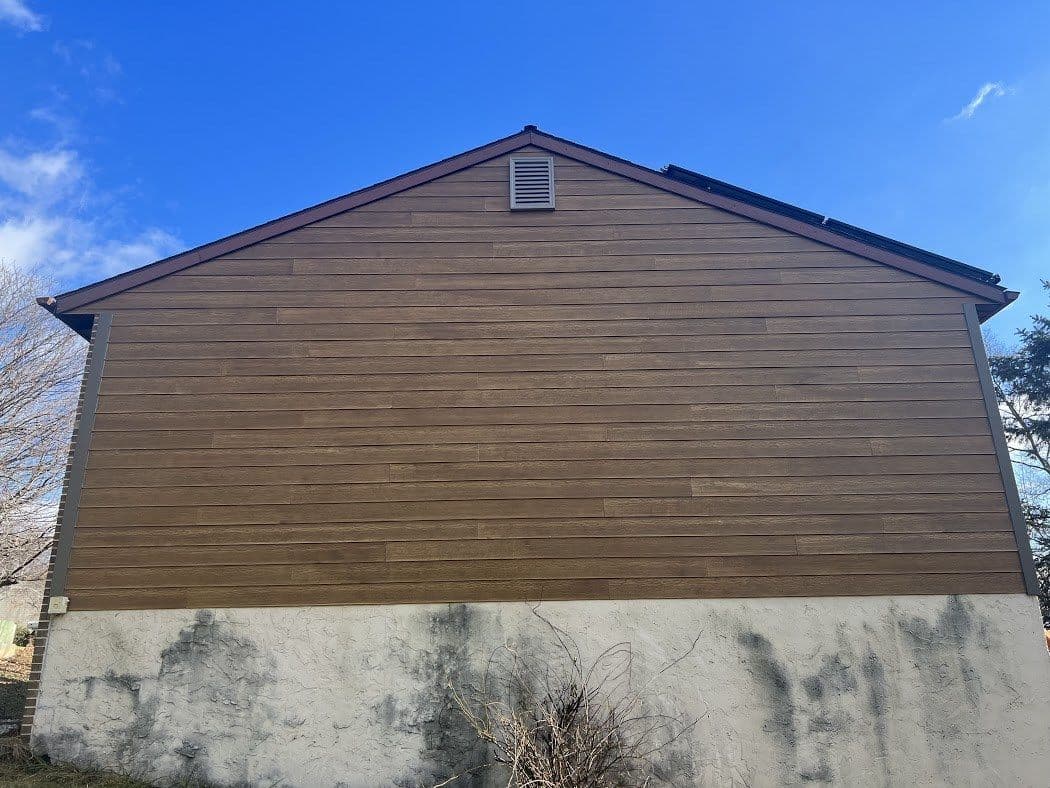
When it comes to improving the home value and curb appeal of your home, there are few things more important than siding...
When compared to other exterior options for your home, vinyl siding is the number one choice...
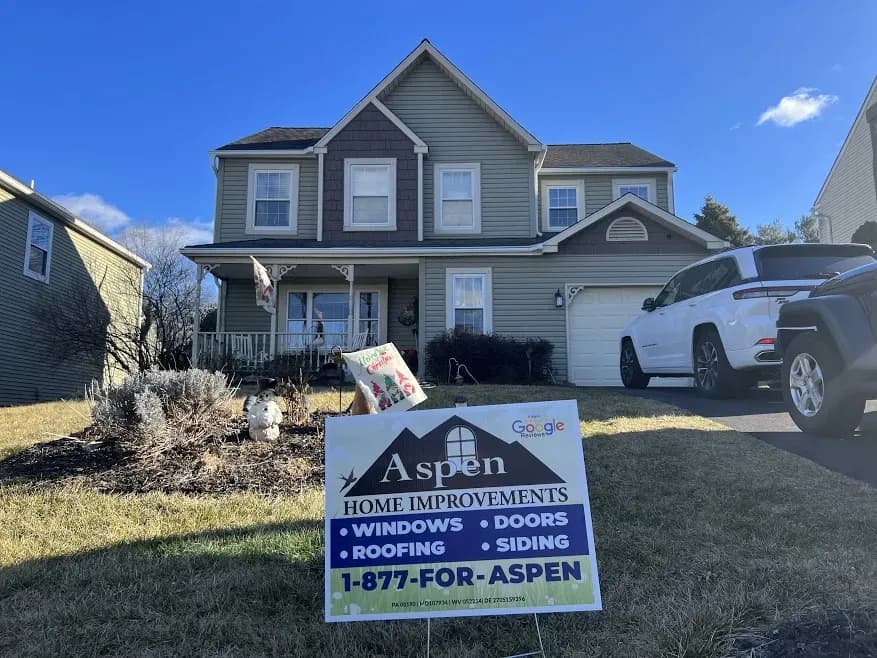
The homeowners at Ashcom Drive, Downingtown, PA 19335 had a home exterior problem...
Ready to Start Your Project?
Give Us a Call for a Free Consultation.
What Homeowners Say About Aspen
Very good working with this company. Product is good. Like family owned business… very friendly! Purchased a new sliding door and window.
Wonderful people to work with! In order to replace the door, they had to remove the original woodwork, but once it was in they put it back up so well that we can't see a difference. Everyone was great. The salesman, the technician that did the work and the person that did the follow up. I wouldn't hesitate to recommend them to anyone!
The experience was awesome. Luke, our sales person, was amazing, friendly and knowledgeable and willing to get the answers we needed. The install was easy. They communicated throughout the process. I would recommend Aspen to anyone.
Great window quality. Customer service has been good with taking care of a few minor issues. Nice little gift box when they come for a final review.
Very grateful that this company would tackle the siding on our vintage log cabin. The crew that did the work had weather challenges with several snow events, but the work is well done and we've had compliments as to how Nice our house looks. Thank you Aspen!
Aspen Recently Replaced Our Windows On Our 50 Year Old Home And They Turned Out Beautifully. Thank You Aspen
Friendly and hardworking installers. Very happy and would love to have Aspen come back to do more home projects.
Highly recommend Aspen! We had all 25 windows replaced from white to black and they turned out better than we imagined. Our house looks like a storybook house now. The new windows were the final touch on our total home renovation. Aspen did a phenomenal job!!
Excellent job. Excellent customer service. Would have to recommend for all situations. These guys rock!
Pleasant team from front to back, very professional, great products and timely installation. Special thanks to Breeze, Lisa, Wesley, Mike and Madison!
The Aspen team is responsive, quick, and professional. They set realistic timelines, expectations, and delivered on them. The quality and warranty are second to none.
Very professional company, with great workmanship ! Very responsive and competitive cost. Highly recommend their service!! Oh, they brought donuts and coffee! It was a great experience all around!
-544x459.png&w=1920&q=75)
-640x390.png&w=1920&q=75)

Aspen Home Improvements
Mon-Fri: 9AM-5PM
Sat: 9AM-1PM