
How to Replace Individual Pieces of Vinyl Siding Easily
After a storm, most of us in Pennsylvania, Maryland or West Virginia know where to look—inevitably, one siding panel will be cracked from hail or warped by sudden temperature swings. It’s a familiar sight throughout the region: one damaged spot on an otherwise well-maintained home exterior.
What many homeowners don’t realize is that replacing a single panel is a simple and effective way to maintain your siding’s appearance, without taking on a full re-siding project. Over the decades, we’ve found that dealing with minor issues quickly is the best way to avoid larger, more expensive problems down the line. Repairing a single spot keeps moisture and pests out, maintains indoor comfort, and saves money in the long run.
Homeowners appreciate learning this skill because:
It saves thousands compared to large-scale siding jobs.
It keeps your home looking consistently cared for—even after rough weather.
It maintains your home’s resistance to drafts, helping with energy bills and interior comfort.
Some people worry about mismatched colors or complex tools, but the process is straightforward with the right guidance. In this article, you’ll find step-by-step instructions and pro strategies for a result that’s both seamless and long-lasting.
Our focus is on what actually works for local homes—how to handle color variations, recognize early warning signs, and make repairs that last. A few minutes invested now can protect your house for years to come. Let’s begin with a look at why vinyl siding is so popular in our region and what makes our local climate tough on exteriors.
Why Vinyl Siding Remains a Regional Favorite
Vinyl siding remains the go-to for homeowners in Pennsylvania, Maryland, Delaware, and West Virginia for good reason. This material stands up well to our region’s unpredictable weather—hot, humid summers, sudden cold snaps, and high winds are regular challenges. Vinyl’s built-in UV resistance and flexibility make it particularly suited to the freeze-thaw cycles and heavy storms that hit our area.
What Makes Vinyl Siding Ideal for Local Homes
Homeowners in the Mid-Atlantic consistently choose vinyl for three main reasons:
It handles hail, wind, and temperature swings without cracking or discoloring rapidly.
Upkeep is minimal—routine washes are faster and easier than scraping old paint.
Modern insulated vinyl options can even help maintain indoor temperatures, supporting lower heating and cooling costs.
An attractive, well-maintained exterior is especially valued in historic areas like Lancaster and Wheeling, but even in newer developments, curb appeal and long-term durability rate high with local families.
How Proper Upkeep Supports Home Value
It’s worth noting: Remodeling industry data shows that vinyl siding can return up to 76% of its project cost at resale. That’s a strong return, particularly in communities where first impressions matter or where buyers check home exteriors closely after harsh winter seasons. From first-time buyers to long-time residents, the message is clear—a tidy exterior signals pride of ownership and helps protect value.
Local Experience: What We’ve Learned
After decades in the field, from the ice in Harrisburg to summer storms on the Chesapeake, we’ve seen how climate takes a toll on even the best materials. The key is not to wait for small issues to become big headaches. Local suppliers are familiar with regional brands and fading patterns, making them invaluable for matching repairs and sourcing the right replacement materials.
Replacement Versus Residing: Answering Common Questions
People often ask:
"Should I replace just the damaged spots, or do I need to re-side the whole wall?"
"Will a new panel stand out against the old ones?"
"Is patching smart or just putting off the inevitable?"
In most cases, a single-panel replacement with proper color matching is all you need, especially if the surrounding material is in good shape. With quality tools and attention to detail, there’s no reason for a patched area to look out of place. Ultimately, protecting your siding is about staying ahead of small problems and relying on expertise that reflects local conditions.
When and Why to Replace Individual Panels
Vinyl siding is reliably tough, but there’s no shortage of ways for damage to occur in our climate. Between hail, heavy winds, stray baseballs, and everyday wear, it’s common to find isolated cracks or spots needing attention.
Typical Reasons for Single-Panel Repair
Here in the Mid-Atlantic, the most common issues we encounter are:
Hail or wind damage, including missing or loosened sections after storms.
Cracks, warping, and impact damage from sports equipment or maintenance mishaps.
Color fading and staining—high UV exposure or age can leave some areas looking dull.
Minor animal or insect damage, especially near soffits and around ground cover.
Addressing these problems promptly keeps the rest of your exterior secure and spares you from more involved and costly repairs.
Partial Replacement: Practical Benefits
Full re-siding isn’t necessary for a few isolated spots. Carefully swapping out damaged panels:
Cuts costs to a fraction of a full replacement.
Minimizes disruption; one panel can be swapped in less than half an hour.
Keep your home’s insulation and weather barrier intact.
Maintaining your home’s envelope with spot repairs extends siding life and maintains its performance.
Why Timely Repairs Matter
A single gap can let water leak behind siding, often going unnoticed until expensive rot or mold develops. By fixing issues as soon as they appear, you actively prevent escalation. We’ve seen clients in Lancaster who replaced storm-damaged panels right away and avoided costly water damage; meanwhile, letting repairs wait just a season or two often leads to repairs inside the wall cavity as well as on the exterior.
Quick action has a real lasting impact on comfort, appearance, and resale value are all protected when you stay proactive.
Tools, Materials, and Site Prep for Vinyl Siding Repairs
A well-done siding repair doesn’t require a truckload of tools—just the right items and a little preparation. With the following basics on hand, most homeowners can handle a single-panel swap with confidence.
Recommended Tools & Materials:
Vinyl siding removal (zip) tool
Pry bar or flat bar
Hammer
Utility knife or tin snips
Speed square for measuring and marking
Replacement siding panel
1-1/4" galvanized roofing nails
Sourcing Materials and Matching Colors
Bringing a section of your existing siding to your local supplier is the best way to get an accurate color and texture match. Sunlight will fade white to off-white, tan to sand, and so on—we see it often, even on newer builds. Local hardware stores tend to carry the most common regional colors, so take your sample and spend a few minutes confirming manufacturer and color before purchasing.
Prep and Safety Reminders
Always check the weather before you begin; unexpected rain can complicate even the simplest job.
Use tarps or drop cloths to protect landscaping right below the repair area.
Work from stable ground and, if accessing upper stories, always use a properly set ladder and have a helper spot you.
After removing a damaged panel, take a minute to look for signs of moisture or pests in the sheathing beneath—small problems are easier to handle if you spot them early.
Budgeting and Long-Term Value
Most single-panel repairs cost less than $50 in parts and, once you’re familiar with the process, take about 15 to 30 minutes to complete. Early attention saves far more than it costs, preventing issues like water intrusion and insulation damage that require much larger repairs. Keeping these tools ready and taking the time to source the right materials sets you up for successful, lasting fixes.
Step-by-Step Guide: Swapping Out a Damaged Vinyl Panel
1. Removing the Old Board
Start by sliding a vinyl siding zip tool under the bottom edge of the panel directly above the damaged one. Gently unzip this seam along its length, freeing the locking edge. Carefully lift to expose the nails securing your damaged panel. Using a pry bar, remove the nails from the nailing strip. Take your time to avoid damaging the underlayment or nearby panels. Once all fasteners are out, maneuver the panel down and away without forcing it—patience here avoids unwanted cracks.
2. Measuring and Cutting the Replacement
Lay the old panel over your new one on a flat surface and match up the profiles. Mark cutting lines on the new panel for both length and profile with a speed square or pencil. Trim to size using a sharp utility knife or dedicated snips, leaving a slight allowance (about 1/4 inch) for expansion and contraction with seasonal temperature changes. If you’re working with end sections or around trim, remove extra material from the new panel’s nailing fin as needed.
3. Installing the New Panel
Position the replacement panel, snapping its bottom locking edge into the panel below. Fasten to the wall using 1-1/4" galvanized nails placed in the center of the nailing slots—avoid driving them tight. Leave a tiny gap under each nail head to accommodate expansion (1/32 inch is typical). Nails should be spaced every 12-16 inches. Panels should overlap by an inch or so, following the manufacturer’s instructions. Precise overlaps and properly seated locks keep water and wind out.
4. Securing and Relocking Upper Pieces
Relock the upper panel by pulling it down into place and pressing along the length to engage the seam. If the panel is stubborn, use the zip tool in short movements, gently encouraging the lock into place. Confirm all edges sit flat with no gaps. A correctly installed replacement shouldn’t stand out visually or create any noticeable bulge. Test by gently tapping—properly fastened siding feels solid.
Pro tip: Once you’re comfortable with the steps, most single-panel repairs take about 15 minutes, even on upper floors.
Troubleshooting and Achieving a Seamless Finish
Successful vinyl siding repair hinges on the details, particularly matching appearance and ensuring weather protection.
Matching Color and Texture
Sun and weather expose vinyl siding to gradual color shifts, so an exact match may require hunting. If you still have some leftover pieces or can take a protected piece from elsewhere on the house, use these for more visible sections and install the new piece in a less noticeable area.
If you can’t find a perfect match, regional suppliers or distributors—especially in established Pennsylvania markets—can recommend close alternatives or contact manufacturers for discontinued colors.
Addressing Underlying Damage
Once the old board is off, always inspect the sheathing and insulation underneath for signs of water, rot, or pests. Soft or discolored sheathing should be addressed right away before installing the new panel.
Take time to replace or patch any moisture barriers or insulation that’s compromised. This will prevent future problems and improve energy efficiency.
Panel Alignment Issues
If the new panel seems too tight, trim it slightly to allow for expansion.
For loose fits, check for debris trapping the lock open or improper overlap.
Stubborn seams can often be eased by working the zip tool gradually and avoiding excessive bending.
Working in Mid-Atlantic Conditions
Choose cool, dry days for repairs—vinyl is much easier to handle and less brittle. An overcast day also improves your ability to color-match and spot minor details. Attention to these small steps is the difference between a visible fix and a repair that blends in perfectly.
Regular Maintenance: Protecting Your Siding Long-Term
Scheduled Inspections
It’s standard practice for contractors in the Mid-Atlantic to recommend homeowners inspect siding at least once a season, especially after storms. Look for cracks, warping, bulging, or loose ends, and address any changes right away.Spotting small issues early allows for simple repairs and helps maintain protection against the region’s unique weather challenges.
Safe, Effective Cleaning
A light spray with a hose every few months removes pollen, dirt, and debris. For stubborn spots, use a soft brush and diluted dish soap. Avoid high-pressure washers—they can drive water behind the siding and cause hidden issues. Regular cleaning also provides the opportunity to check closely for newly developing problems.
When to Bring in a Professional
Extensive damage, areas with persistent moisture, signs of interior rot, or evidence of animal intrusion are best handled by licensed local professionals. Contractors experienced with regional weather patterns and materials will diagnose and address problems before they escalate. Be aware that some manufacturer warranties require professional intervention to remain valid—always check before undertaking major repairs yourself.
Energy Efficiency and Asset Protection
Properly maintained siding does more than keep the weather out; it helps minimize heat loss and supports a stable indoor environment. According to Energy Star, well-sealed siding can improve home energy performance by up to 20% over neglected or poorly maintained exteriors. Commit to regular checks, immediate repairs, and gentle cleanings. This ensures your home is protected now and in the future.
Frequently Asked Questions: Local Homeowner Concerns
Here are answers to the most common questions we hear from area homeowners:
Is it worth repairing just one panel, or should I consider larger work?
If problems are isolated to a single spot or a handful of panels, spot repair is most efficient. Widespread damage, color fading, or underlying rot may signal it’s time for a more comprehensive approach. When in doubt, a professional assessment can catch less obvious issues.
What if I can’t get an exact match for my siding?
Colors change over time. Start by bringing a sample to a regional supplier who understands local inventory—many have access to special order or custom-match options. Sometimes, swapping less visible panels to front-facing areas helps with blending. For tough matches, talk to distributors who specialize in local historical or legacy color palettes.
Does insurance typically cover siding repairs after a storm?
Most standard homeowners’ policies include coverage for storm, hail, or wind damage to exteriors. Always document the issue with photos and reach out to your insurer promptly. Local suppliers and contractors can assist with claims and provide necessary repair quotes.
How urgently should I address minor damage?
Address even small cracks or gaps as soon as possible. Temporary fixes can lead to water infiltration and insulation problems after just one season. Most small repairs can be completed quickly and with minimal disruption—don’t wait.
Are there financing options for repairs?
Many local, family-operated siding businesses in our region offer payment plans or seasonal promotions for repairs and upgrades. Ask about warranty coverage and whether repairs will be backed by a labor guarantee. Choosing established, reputable crews ensures the job is done right and your investment is protected.
Having the right information and resources on hand makes these repairs far less daunting—and ensures your home stays comfortable, efficient, and attractive regardless of what the weather brings.
Conclusion
Keeping your vinyl siding in good condition isn’t just for looks—it’s your first line of defense against unpredictable Mid-Atlantic weather, energy loss, and expensive repairs. Timely, targeted fixes from skilled hands—whether yours or your local contractor’s—protect your home’s value and save money year after year.
Key points to remember:
Always address panel damage promptly to avoid bigger issues.
Take the time to match color and material; it shows in the finished result.
With a few standard tools and some preparation, most repairs are quick and straightforward.
Rely on local suppliers for advice—regional knowledge is invaluable.
Routine inspections and gentle cleanings extend your siding’s lifespan and help prevent costly problems.
Practical next steps:
Take a few minutes after the next storm to check your home’s exterior for signs of damage.
Bring a sample panel to a trusted local supplier for matching.
Set aside time this week for a siding check—even if it’s only ten minutes.
For larger jobs or if you’re unsure, consult a local contractor with a solid reputation and experience in Mid-Atlantic conditions.
With a little attention and the right preparation, you can keep your home’s siding looking great and performing well, year after year. High-quality repairs are hardly noticeable—but the benefits are something you and your family will appreciate every day. By staying proactive, you’re not only maintaining curb appeal but also investing in your home’s comfort, safety, and long-term value.
Need help with bigger projects or want to explore professional options? Contact us for a Free Quote on our composite or vinyl siding replacement service. We have been in business for 30 years and are trusted, regionally experienced contractors who specialize in durable, weather-resistant siding in Pennsylvania, Maryland, and West Virginia areas..
Considering other exterior upgrades for your home? Explore our full range of home improvement services in Pennsylvania—including window, door, gutter, and roof replacement—all backed by local expertise and outstanding customer service.
15% Off Your Entire Project! Plus 0 Down & 0% Interest Financing for 12 Months
Related Posts:
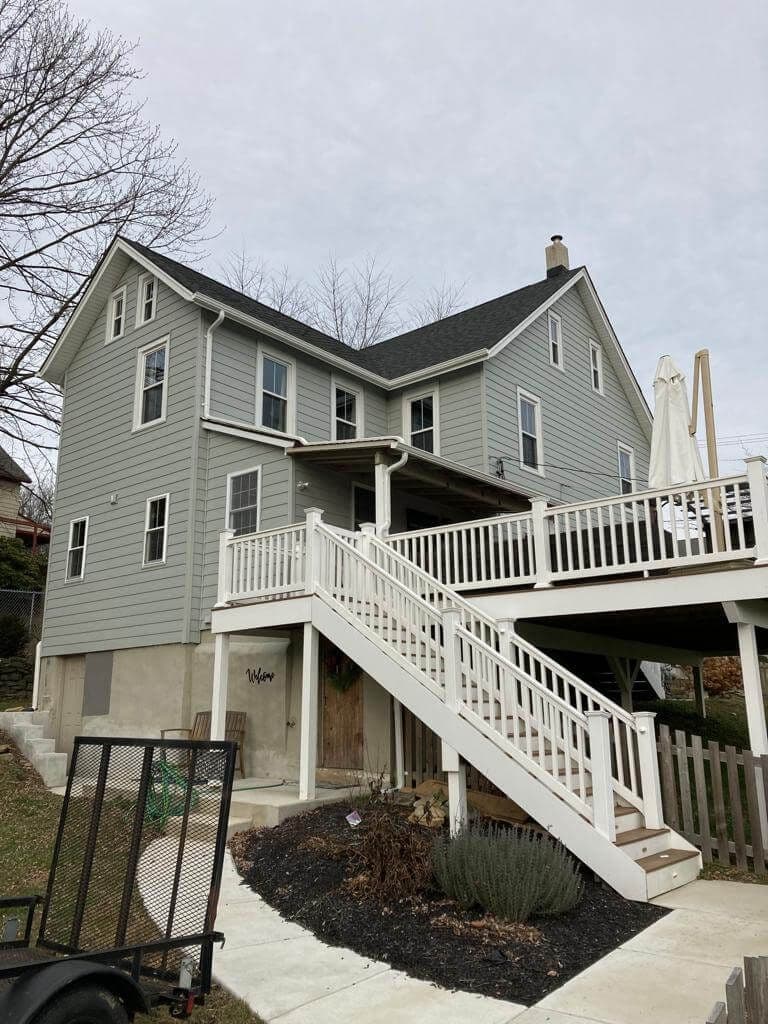
If you are looking for an exterior makeover that can maximize curb appeal and give your home a whole new look, Aspen has got you covered...
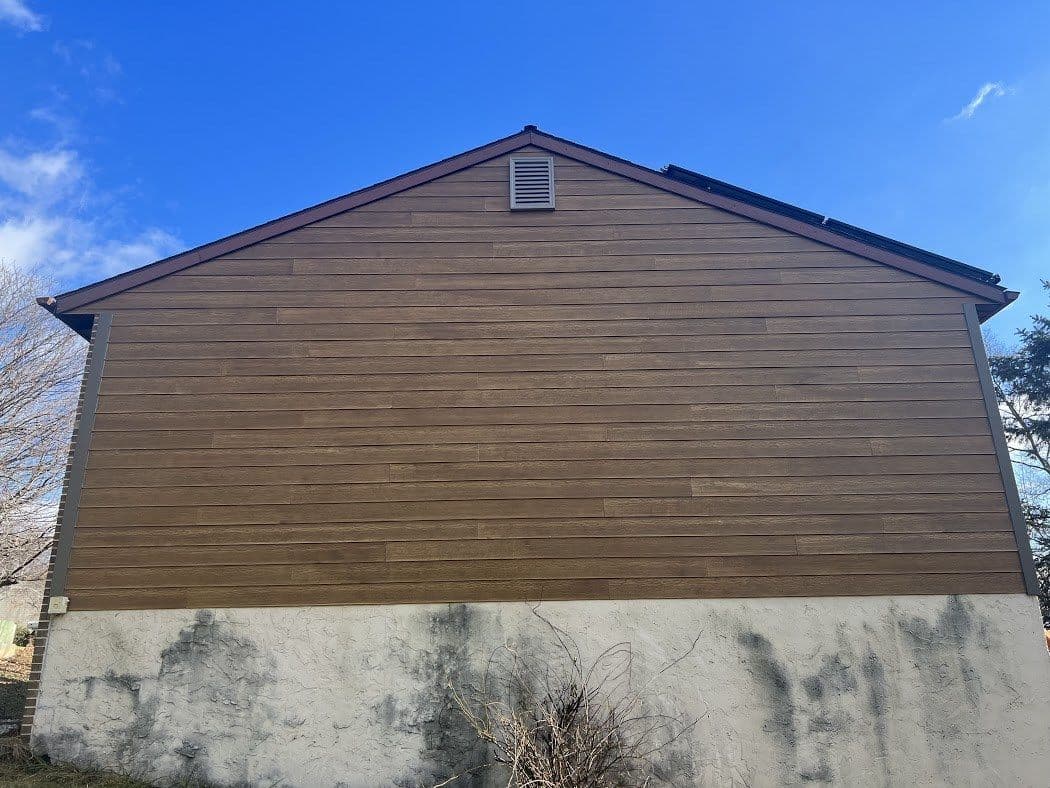
When it comes to improving the home value and curb appeal of your home, there are few things more important than siding...
When compared to other exterior options for your home, vinyl siding is the number one choice...
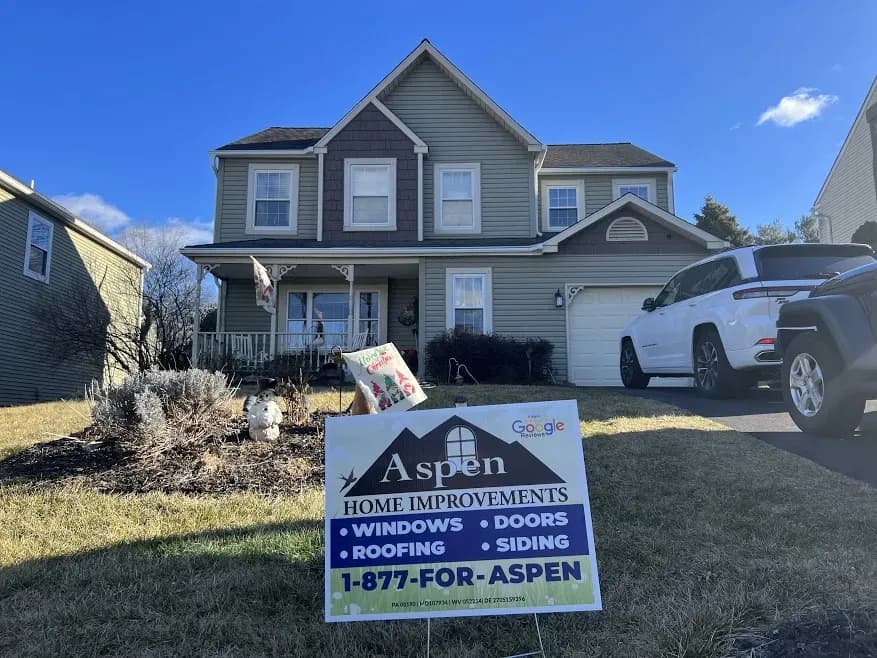
The homeowners at Ashcom Drive, Downingtown, PA 19335 had a home exterior problem...
Ready to Start Your Project?
Give Us a Call for a Free Consultation.
What Homeowners Say About Aspen
Very good working with this company. Product is good. Like family owned business… very friendly! Purchased a new sliding door and window.
Wonderful people to work with! In order to replace the door, they had to remove the original woodwork, but once it was in they put it back up so well that we can't see a difference. Everyone was great. The salesman, the technician that did the work and the person that did the follow up. I wouldn't hesitate to recommend them to anyone!
The experience was awesome. Luke, our sales person, was amazing, friendly and knowledgeable and willing to get the answers we needed. The install was easy. They communicated throughout the process. I would recommend Aspen to anyone.
Great window quality. Customer service has been good with taking care of a few minor issues. Nice little gift box when they come for a final review.
Very grateful that this company would tackle the siding on our vintage log cabin. The crew that did the work had weather challenges with several snow events, but the work is well done and we've had compliments as to how Nice our house looks. Thank you Aspen!
Aspen Recently Replaced Our Windows On Our 50 Year Old Home And They Turned Out Beautifully. Thank You Aspen
Friendly and hardworking installers. Very happy and would love to have Aspen come back to do more home projects.
Highly recommend Aspen! We had all 25 windows replaced from white to black and they turned out better than we imagined. Our house looks like a storybook house now. The new windows were the final touch on our total home renovation. Aspen did a phenomenal job!!
Excellent job. Excellent customer service. Would have to recommend for all situations. These guys rock!
Pleasant team from front to back, very professional, great products and timely installation. Special thanks to Breeze, Lisa, Wesley, Mike and Madison!
The Aspen team is responsive, quick, and professional. They set realistic timelines, expectations, and delivered on them. The quality and warranty are second to none.
Very professional company, with great workmanship ! Very responsive and competitive cost. Highly recommend their service!! Oh, they brought donuts and coffee! It was a great experience all around!
-544x459.png&w=1920&q=75)
-640x390.png&w=1920&q=75)

Aspen Home Improvements
Mon-Fri: 9AM-5PM
Sat: 9AM-1PM