
Why your Entry Door Matters
If you’ve noticed a draft sneaking in under your front door during a Pennsylvania winter or found your door sticking in the summer humidity, you already understand the practical importance of a well-fitted door. Here in the Mid-Atlantic, replacing an older, inefficient door is more than an aesthetic update—it’s a move that can lower energy bills, enhance safety, and improve daily life.
For many local families, an outdated or damaged door means more than lost curb appeal. Poor sealing can increase utility costs, pose security risks, or lead to headaches when trying to match existing details—especially in homes with historic charm. Having handled these replacement projects throughout years of unpredictable weather, I’ve seen first-hand how a reliable door is central to a home’s comfort and resilience.
So when your door starts to show its age—squeaking hinges, visible rot, or air leaks—the key question is whether to handle the job yourself or call in a trained professional. In this region, that decision can affect not just comfort but also long-term energy savings and maintenance costs.
This article will walk you through:
What’s actually involved in a proper DIY door replacement—including the tools, time, and know-how required
When it’s safer (and more cost-effective) to rely on a certified local installer, particularly for exterior doors or historic properties
How your decision impacts energy savings, security, and future home value—especially in the context of Mid-Atlantic weather
Whether you’re ready to tackle a weekend project, or you want to make sure your investment holds up through years of changing seasons, this guide is grounded in practical, regional experience. Let’s look at what it really takes for a door replacement to stand the test of time in PA, MD, and WV.
Door Replacement Basics: What’s Involved and Why It’s Important
Replacing a door involves more than swapping out a slab; it’s about protecting your family, optimizing comfort, and adding value to your home for the long haul. A problem door—whether it's drafty, warped, or no longer secure—directly increases energy loss and undermines security.
Common Reasons for Door Replacement in the Mid-Atlantic
Homeowners in Pennsylvania, Maryland, Delaware, and West Virginia usually replace doors due to:
Aging doors showing visible wear, warping, rot, or sticking in frame
Persistent winter drafts that drive up heating bills
Damage from storms, which are frequent and often severe in this region
Outdated appearance detracting from your home’s overall look
Curb appeal improvements, especially prior to listing your home
If you’ve resorted to DIY fixes like draft stoppers under the door or struggle every summer trying to close a swollen wooden door, you’re not alone—regional humidity and temperature swings are hard on exterior doors.
How Local Climate Impacts Doors
Our Mid-Atlantic climate exposes doors to rapid temperature changes, high humidity, and sometimes damaging storms. This can result in:
Wood doors swelling or shrinking, causing jams or loose fits
Weatherstripping and seals deteriorating, which invites both drafts and moisture
Increased wear on finishes or paint, accelerating decay and making exterior doors especially vulnerable
A professionally-installed, energy-efficient door serves as a reliable barrier against these conditions, helping maintain indoor temperature and comfort.
The Door Replacement Process: Step-by-Step Overview
Replacing a door the right way involves careful removal and installation to ensure long-term performance and durability. The process typically includes:
Removing the existing door, hinges, and hardware while inspecting the frame for damage or rot
Precisely measuring for a proper fit—especially crucial in older homes with out-of-square frames or plaster walls
Installing the new door or pre-hung frame, using shims and a level to ensure correct alignment
Sealing all gaps with appropriate insulation, finishing with trim, hardware, and paint or stain as needed
For exterior doors, extra care is critical: proper installation of locks, seals, and thresholds is key for both energy efficiency and security. Interior doors are generally simpler, but older homes often bring surprises that add time and complexity.
Why Door Replacement Matters
A quality door replacement is one of the most noticeable home improvements you can make. Beyond appearance, the benefits include:
A safer entry point for your family and belongings
Significant improvements in year-round comfort, especially with reduced drafts and noise
A clear boost in your home’s value and curb appeal—especially important ahead of a home sale or appraisal
Investing in a reliable door is an investment in your home’s future comfort and protection.
DIY Door Replacement: Practical Considerations
Is DIY the Right Choice for You?
Replacing a door yourself is possible for handy homeowners, especially with interior doors or when you have experience and essential tools on hand. It lets you control the pace and details of the project, and can reduce upfront costs. However, the margin for error is small—especially if your home is older, or the frame is out of square. Mistakes often require professional intervention to fix, offsetting any initial savings.
A good rule of thumb: if you’re comfortable with basic carpentry and have completed similar projects, you’ll likely do well with interior doors. But entry doors, or anything involving complicated framing or historic homes, are often best left to the pros.
Required Tools, Materials, and Safety
Expect to use the following:
Cordless drill/drivers and assorted screwdrivers
Hammer
Level (preferably a 4’ spirit level)
Wood shims
Chisel
Hand saw or planer (for fine-tuning fit)
Tape measure (accuracy is vital)
Insulating foam or backer rod for gaps
Exterior-grade caulk (silicone preferred for weather seals)
Don’t skip basic safety gear: gloves and safety glasses protect against splinters, flying debris, or mishaps during removal. In older Mid-Atlantic homes, fragile plaster, heavy doors, and irregular frames are common—plan for some challenges. Your local hardware store is usually the best source for replacement parts or advice on region-appropriate products.
Installing an Interior Door: Step-by-Step
For a standard pre-hung interior door, here’s a straightforward approach:
Remove the old door from its hinges; if the existing frame is damaged, take out any remaining trim and the frame itself.
Measure both the door and opening, noting wall thickness and swing clearance.
Position the new pre-hung door in the opening, use shims to plumb and level on all sides, and fasten the frame to the studs.
Check for correct swing and latch alignment; adjust shims as needed before final fastening.
Use low-expansion foam to seal gaps, then trim excess shims, reattach or add new casing, and apply finish as desired.
Take your time leveling and plumb everything carefully—rushed jobs lead to sticking, uneven wear, and drafts. In this region’s older housing stock, patience pays off.
DIY Pros, Cons, and Costs
Advantages:
No labor costs (beyond materials)
Full control of timing and installation details
Cost-effective if you already own necessary tools
Drawbacks:
Projects can stretch beyond 2–4 hours per door, especially in older or uneven frames
Mistakes often result in insulation or security problems, sometimes requiring professional repairs
Tool rental or purchasing, as well as learning curve time, can chip away at savings
Material costs typically start around $70–$400 per door, depending on door type and trim selections. Factor in time, possible tool upgrades, and a realistic value for your own labor before deciding. For most exterior or custom door installations, professional help avoids headaches and costly corrections due to overlooked details.
Professional Door Installation: When Expertise Matters
When to Rely on a Pro
There are compelling reasons to bring in a local installer, particularly for:
Heavy exterior or entry doors, especially those with complex locking systems or smart features
Openings with significant frame irregularity, rot, or hidden damage
Historic or custom homes where matching trim and compliance with local historic standards may apply
A competent pro brings experience with regional construction norms, knowledge of local codes, and an eye for early signs of damage—key advantages for Mid-Atlantic homeowners.
What to Expect from Professional Installation
A professional installation process typically includes:
Careful removal of the old door, frame, and hardware
Inspection for any structural damage, water intrusion, or rot that could affect longevity
Installation of the new door or frame, using shims and fasteners to ensure a perfect seal and secure fit
Application of appropriate insulation and caulking, followed by trim, hardware, painting, or staining as needed
Final walk-through to confirm door swing, latch alignment, and weather-tightness
Local contractors are used to the quirks of regional housing—uneven floors, historic trim, or quirky dimensions—and address these efficiently.
Benefits of Hiring a Professional
With a local installer, you get consistent quality, code-compliant workmanship, and the reassurance of a warranty. Other advantages include:
Fast, reliable installation (often completed within 1–2 hours per door)
Proactive identification of issues that would compromise the door’s function or appearance down the road
Access to better-quality materials and hardware selected for our climate
Many reputable, family-owned shops offer financing, flexible scheduling, and stand behind their work with clear aftercare policies. Recommendations and lasting relationships matter here, so check local references for peace of mind.
Professional Installation Costs
Labor charges usually fall in the $60–$200+ range per door, with variations based on:
Door type and complexity (heavier, custom, or security doors command higher rates)
Condition or modifications needed for surrounding structure
Addition of advanced hardware (smart locks, impact-resistant glass, etc.)
While pro costs are higher upfront, you’re paying for the experience that cuts long-term expenses—especially in preventing heating and cooling losses, code violations, or rework. Most local pros will walk you through material options geared toward our climate.
Deciding Between DIY and Professional Installation
Comparing Your Options
Let’s summarize main differences for homeowners in the Mid-Atlantic:
| Aspect | DIY (Interior Doors) | Professional Installation |
|---------------------|---------------------------------------------|----------------------------------|
| Cost in labor | Materials only; typically $70–$400 | $60–$200+ per door in labor |
| Time | 2–4+ hours per door, more for older homes | 1–2 hours per door |
| Skill Needed | Confidence with carpentry and tools | No homeowner skill required |
| Risks | Drafts, leaks, possible security gaps | Warranteed, code-compliant |
| Best For | Standard interior doors, recent framing | Heavy, exterior, or vintage doors|
For most homeowners, DIY makes sense for simple interior projects where skill level matches the task. For anything involving security, weatherproofing, or unique home features, professional installation is usually worth the investment.
Regional Requirements: Energy, Value, and Compliance
A well-installed door significantly reduces energy loss—proper sealing and insulation alone can lower heating and cooling costs by up to 10%. This is especially significant in older houses prevalent in our region.
Resale value also improves with a new, attractive, properly installed door, as curb appeal and perceived quality matter to buyers in local markets.
When replacing exterior doors, check with your local township or city regarding permits or inspection needs, as requirements vary by municipality. Certified installers will ensure compliance and remove any guesswork.
Tips for a Smooth Project
Before you start shopping or scheduling:
Triple-check all measurements; mismeasured doors are a common source of delays and extra costs
Prepare your workspace by clearing clutter and keeping children or pets safely out of the area
Consult local suppliers—they frequently offer better advice on product choices for our climate than big-box chains
Rely on trusted, well-reviewed companies in your own community for referrals—they’ll know what works in our neighborhoods and stand by their work
If you’re unsure about your skill level or have any uncertainty about code compliance, it’s smart to consult a pro early.
Conclusion
Replacing a door is more than a routine project—it’s about making a practical investment in your family’s security, comfort, and your home’s performance for years to come. Whether you decide to do it yourself or work with a proven local installer, proper planning and execution guarantee results that stand up to every Mid-Atlantic season.
To streamline your project:
Always confirm measurements before you purchase a replacement door or schedule installation
Use local businesses and suppliers for materials and installation—they’re invested in long-term customer satisfaction and understand local construction habits
Leave entry doors, older homes, or anything involving energy upgrades to skilled professionals
Prioritize quality hardware and correct sealing techniques, no matter who does the work
Gather trusted referrals and check work histories for confidence in your installer’s track record
Next steps? Set a realistic budget factoring in both materials and potential labor for more complex projects. Inspect your home for sticky, drafty, or visibly worn doors, and prioritize high-impact replacements.
When your ready, reach out to a local specialist to discuss door options, pricing, and timelines. Even if you’re starting out with questions rather than a commitment, ask about available financing, service policies, and included warranties. If you need any support or guidance, and you're located within PA, MD, or WV please reach out to us for a free quote! We will be ready with hands-on advice and solutions tailored to your property.
15% Off Your Entire Project! Plus 0 Down & 0% Interest Financing for 12 Months
Related Posts:
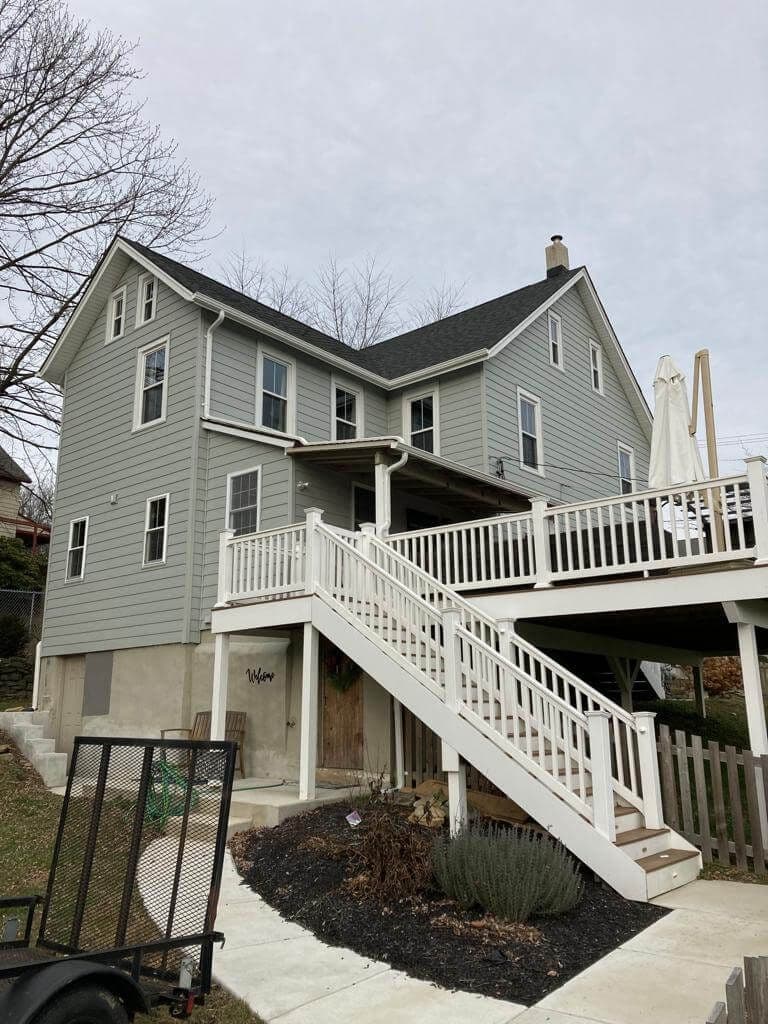
If you are looking for an exterior makeover that can maximize curb appeal and give your home a whole new look, Aspen has got you covered...
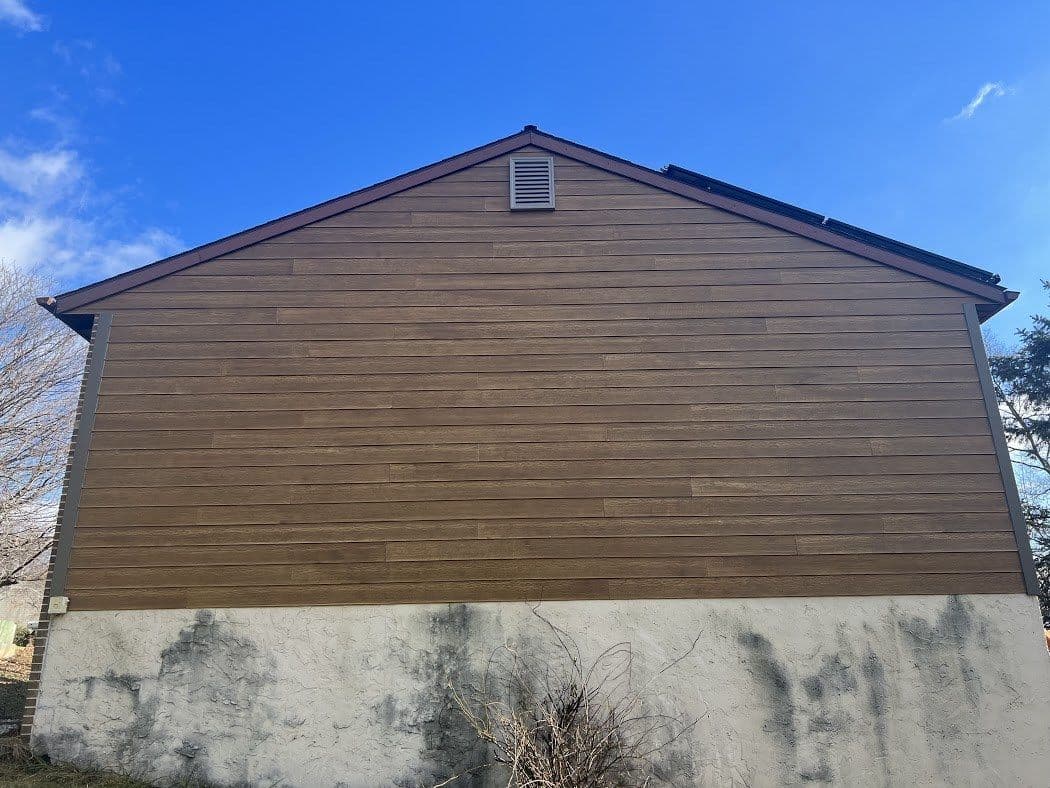
When it comes to improving the home value and curb appeal of your home, there are few things more important than siding...
When compared to other exterior options for your home, vinyl siding is the number one choice...
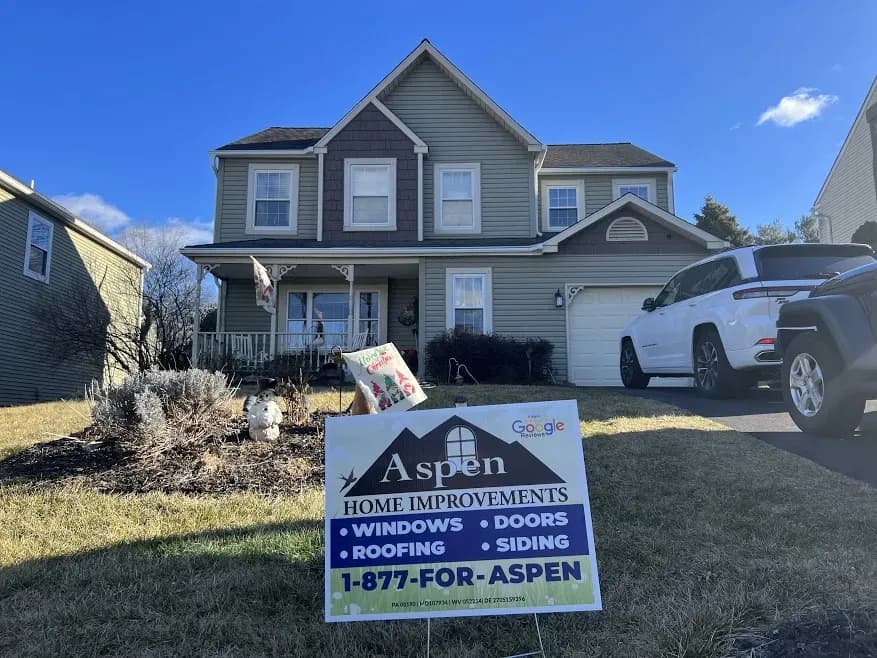
The homeowners at Ashcom Drive, Downingtown, PA 19335 had a home exterior problem...
Ready to Start Your Project?
Give Us a Call for a Free Consultation.
What Homeowners Say About Aspen
Very good working with this company. Product is good. Like family owned business… very friendly! Purchased a new sliding door and window.
Wonderful people to work with! In order to replace the door, they had to remove the original woodwork, but once it was in they put it back up so well that we can't see a difference. Everyone was great. The salesman, the technician that did the work and the person that did the follow up. I wouldn't hesitate to recommend them to anyone!
The experience was awesome. Luke, our sales person, was amazing, friendly and knowledgeable and willing to get the answers we needed. The install was easy. They communicated throughout the process. I would recommend Aspen to anyone.
Great window quality. Customer service has been good with taking care of a few minor issues. Nice little gift box when they come for a final review.
Very grateful that this company would tackle the siding on our vintage log cabin. The crew that did the work had weather challenges with several snow events, but the work is well done and we've had compliments as to how Nice our house looks. Thank you Aspen!
Aspen Recently Replaced Our Windows On Our 50 Year Old Home And They Turned Out Beautifully. Thank You Aspen
Friendly and hardworking installers. Very happy and would love to have Aspen come back to do more home projects.
Highly recommend Aspen! We had all 25 windows replaced from white to black and they turned out better than we imagined. Our house looks like a storybook house now. The new windows were the final touch on our total home renovation. Aspen did a phenomenal job!!
Excellent job. Excellent customer service. Would have to recommend for all situations. These guys rock!
Pleasant team from front to back, very professional, great products and timely installation. Special thanks to Breeze, Lisa, Wesley, Mike and Madison!
The Aspen team is responsive, quick, and professional. They set realistic timelines, expectations, and delivered on them. The quality and warranty are second to none.
Very professional company, with great workmanship ! Very responsive and competitive cost. Highly recommend their service!! Oh, they brought donuts and coffee! It was a great experience all around!
-544x459.png&w=1920&q=75)
-640x390.png&w=1920&q=75)

Aspen Home Improvements
Mon-Fri: 9AM-5PM
Sat: 9AM-1PM